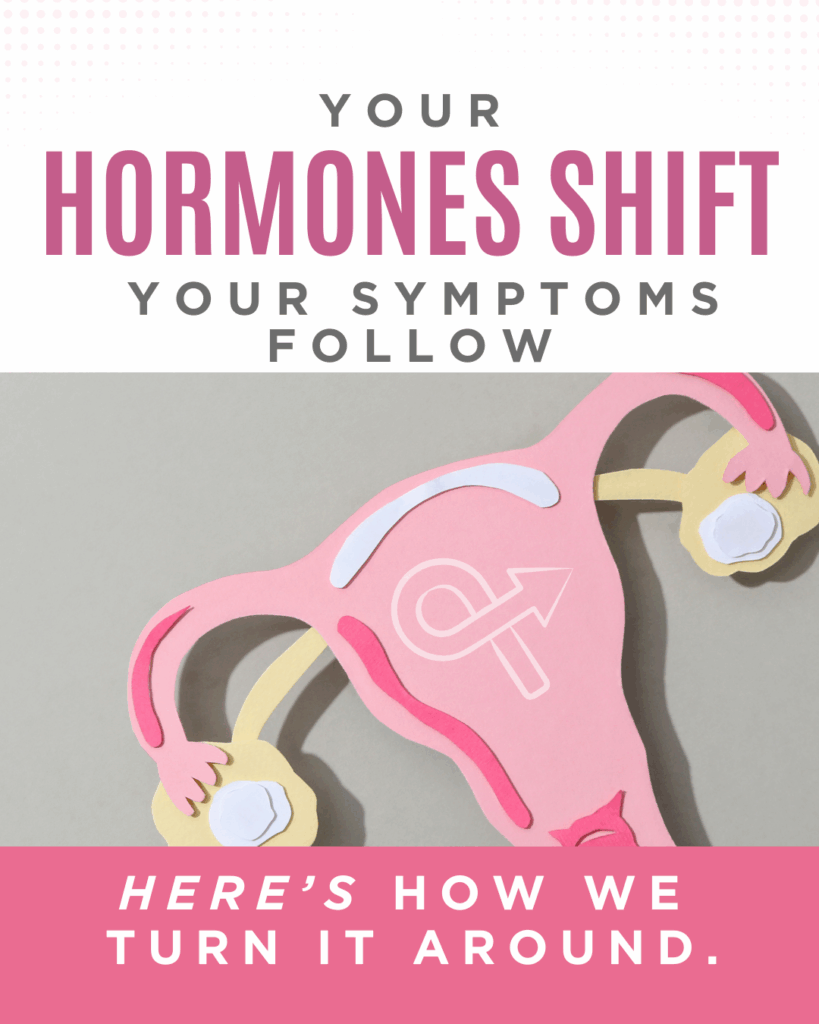
Menopausal Hormone Therapy (MHT) has become one of the most requested tools for managing perimenopause and menopause symptoms. Yet many women still feel unsure about what BHRT actually is, how it works and whether it’s the right choice for them.
As hormone science continues to evolve, so does our understanding of how individualized hormone support can help women feel better day to day and protect long-term health. Below is a clear, evidence-informed guide to MHT, along with a short explanation of recent FDA updates that are reshaping the conversation around hormone therapy.
What are BioIdentical Hormones
Bioidentical hormones have the same molecular structure as the ones the body naturally produces. This allows them to bind hormone receptors in a physiologic way, often offering improved symptom relief and better tolerability for many women.
Common bioidentical hormones include:
• 17β-estradiol
• Micronized progesterone
• Testosterone (when appropriate)
• DHEA
Bioidentical hormones may be delivered through bioidentical products or compounded formulations when customization is needed.
Why Hormones Shift And Why Symptoms Show Up
Beginning in the late 30s and early 40s, hormone levels fluctuate unpredictably. These changes affect nearly every body system and can contribute to:
- Sleep issues
- Hot flashes and night sweats
- Mood changes or anxiety
- Cognitive shifts or brain fog
- Weight changes or insulin sensitivity
- Low libido
- Vaginal dryness or discomfort
- Bone density loss
MHT is not designed to restore youthful hormone levels but to stabilize fluctuations and support healthy function during midlife transitions.
How MHT Works in the Body
MHT supports multiple physiologic systems, including:
- Brain, mood, and cognition: Estrogen and progesterone influence neurotransmitters that help regulate mood, memory, and sleep.
- Metabolic health: Hormone changes affect how women store fat, respond to insulin, and regulate appetite.
- Bone density: Estrogen plays a central role in slowing bone turnover.
- Sleep and stress pathways: Progesterone interacts with calming receptors that support deeper, more restorative sleep.
- Pelvic and vaginal health: Local estrogen can restore elasticity, moisture and comfort.
News That Matters For Women Considering Hormone Support
In 2025, hormone therapy made headlines as the FDA announced it would remove long-standing, overly broad warnings from many menopausal hormone products. This decision reflects a more updated understanding of hormone safety and acknowledges that earlier messaging overstated risks for many women.
Here’s what this means:
- Newer research shows that hormone therapy has a more favorable safety profile for women who start early in the menopausal transition.
- Risks vary by age, timing, dose, and route of administration, rather than being universally high for all women.
- Modern formulations, including bioidentical estradiol and micronized progesterone, behave differently from older synthetic hormones once used in earlier studies.
- Women now have more accurate, balanced information when discussing hormone care with their providers.
This update doesn’t change whether BHRT is appropriate for an individual, but it does reinforce the importance of nuanced, personalized hormone care instead of fear-based avoidance.
Who May Benefit Most From MHT
Women often find hormones especially helpful when experiencing:
- Significant perimenopausal swings
- Reduced sleep quality
- Low libido or discomfort with intimacy
- Mood instability linked to hormone shifts
- Increased abdominal fat or metabolic changes
- Early menopause or surgical menopause
- Bone loss or high fracture risk
- Persistent or severe vasomotor symptoms
The Importance of Individualization
MHT is effective when it is tailored to a woman’s:
- Menopausal stage
- Symptom pattern
- Health history
- Family history and genetics
- Cardiovascular and metabolic risk
- Breast health patterns
- Lifestyle and stress load
This individualized strategy aligns with how hormone systems naturally function both dynamically and contextually.
Women deserve accurate, up-to-date information about hormone therapy. Modern research shows a far more nuanced and reassuring picture than the outdated warnings many women grew up hearing.
MHT is one meaningful option within a broader, personalized approach to hormone health. When used thoughtfully and monitored appropriately, it can help women navigate midlife with clarity, energy and improved quality of life. Our clinic has practitioner on staff that are well versed and qualified to have this conversation with you. Our ND’s are licensed to prescribed hormones, and we also have a Nurse Practitioner on staff to offer you a more expanded hormone prescription. If you are curious about having a conversation to see if MHT is right for you, please reach out!
References
U.S. Food & Drug Administration. (2025). HHS advances women’s health, removes misleading FDA warnings on hormone replacement therapy. Retrieved from https://www.fda.gov/news-events/press-announcements/hhs-advances-womens-health-removes-misleading-fda-warnings-hormone-replacement-therapy
Fournier, A., Berrino, F., & Clavel-Chapelon, F. (2014). Unequal risks for breast cancer associated with different hormone replacement therapies. Journal of Clinical Oncology, 32(35), 3623–3630.
Manson, J. E., & Bassuk, S. S. (2023). Menopausal hormone therapy and long-term health outcomes. Nature Reviews Endocrinology, 19, 382–396.
The North American Menopause Society. (2022). The 2022 hormone therapy position statement of The North American Menopause Society. Menopause, 29(7), 767–794.
Stuenkel, C. A., et al. (2015). Treatment of symptoms of the menopause: An Endocrine Society clinical practice guideline. Journal of Clinical Endocrinology & Metabolism, 100(11), 3975–4011.
Email Newsletter
Subject: Every Woman Going Through Perimenopause Needs This Info
Hormone shifts in your 40s and 50s can change a lot about how you feel.
Maybe sleep isn’t the same, energy dips more easily, or your mood feels less predictable…
These changes can show up gradually, and many women start looking for options that go beyond “just deal with it.”
One option that comes up often is bioidentical hormone replacement therapy, or BHRT. There’s a lot of curiosity around it, a lot of questions, and sometimes a lot of confusion, too.
In our latest blog you’ll find:
- A simple explanation of what bioidentical hormones actually are
- How BHRT can support mood, cognition, metabolism, and bone health
- Why personalization is key to doing hormone therapy safely
If you’ve been trying to make sense of all the information out there, this post is for you!
Read the blog here!